

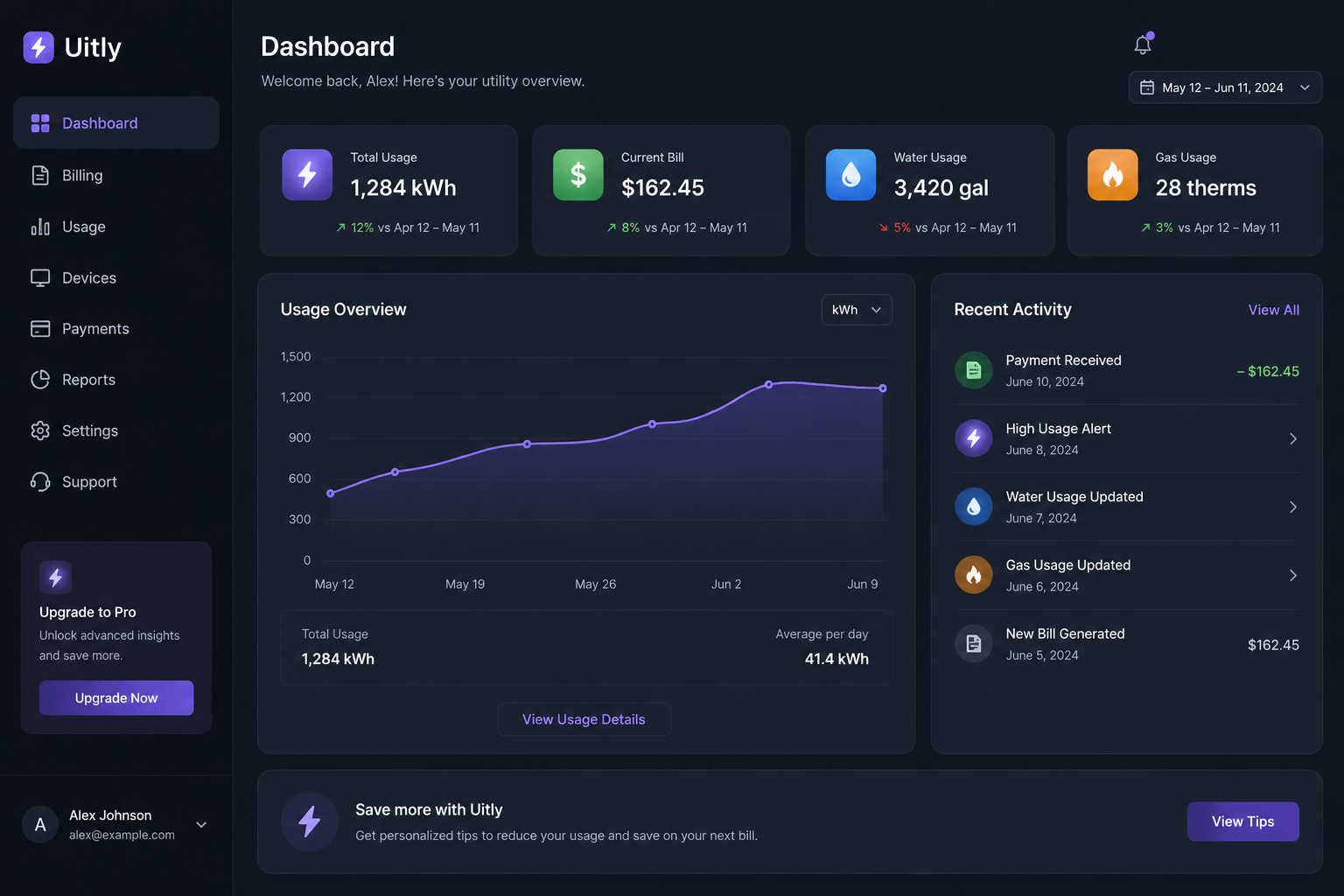
Digital productivity has evolved far beyond simple task management. Businesses, freelancers, creators, and remote teams now rely on intelligent systems that simplify communication, automate repetitive work, and improve operational clarity. In this environment, uitly is emerging as a notable solution for people seeking smarter workflow efficiency without unnecessary complexity.
The growing interest around uitly reflects a larger shift in how organizations approach productivity. Instead of using disconnected tools for communication, project tracking, scheduling, and collaboration, users increasingly prefer streamlined platforms that reduce friction and improve focus. Understanding how this ecosystem works can help professionals build more efficient, scalable, and adaptable workflows.
Understanding What Uitly Represents
The term uitly is increasingly associated with modern productivity ecosystems designed to simplify digital operations. Rather than overwhelming users with complicated interfaces or excessive customization, the concept focuses on usability, speed, collaboration, and intelligent organization.
Many professionals now prioritize software experiences that feel intuitive from the beginning. This shift explains why lightweight workflow solutions gain traction quickly, especially among startups, remote teams, consultants, and independent professionals who need flexibility without enterprise-level complexity.
Why Productivity Platforms Matter More Than Ever
The digital workplace has fundamentally changed over the past decade. Teams collaborate across multiple time zones, employees work remotely, and businesses operate through increasingly decentralized systems that require reliable coordination tools.
This environment creates demand for solutions like uitly because users need centralized visibility. When communication, deadlines, files, and responsibilities exist in scattered environments, productivity declines rapidly and operational confusion increases.
The Core Philosophy Behind Uitly
One reason uitly attracts attention is its focus on practical efficiency rather than feature overload. Many productivity platforms attempt to solve every possible problem, but users often end up navigating cluttered dashboards that reduce rather than improve effectiveness.
Modern workflow systems succeed when they remove unnecessary friction. A platform designed around clarity, speed, and organization helps users maintain momentum while reducing cognitive fatigue throughout the workday.
Key Features Commonly Associated With Uitly
Most productivity-focused systems within this category emphasize task coordination, project visibility, communication support, and collaborative organization. These functions help users centralize daily operations while minimizing platform switching.
Another valuable aspect involves adaptability. Users increasingly expect productivity software to support freelancers, agencies, startups, enterprise departments, and hybrid teams without forcing rigid operational structures onto every workflow.
How Uitly Supports Remote Collaboration
Remote work has permanently reshaped operational expectations. Teams now require systems that maintain accountability and visibility without creating unnecessary meetings or communication bottlenecks.
Platforms inspired by the uitly approach often prioritize transparency through shared dashboards, status updates, collaborative documents, and timeline tracking. These capabilities help distributed teams remain aligned even when working asynchronously across different regions.
The Relationship Between Simplicity and Productivity
Many organizations mistakenly assume that more features automatically create better results. In reality, excessive complexity frequently causes slower adoption rates, lower engagement, and workflow confusion.
The growing interest in uitly reflects a broader appreciation for streamlined digital experiences. Simpler interfaces reduce onboarding friction, improve employee confidence, and allow users to focus on outcomes rather than navigating software architecture.
Comparing Traditional Systems With Modern Workflow Platforms
The contrast between legacy productivity tools and modern workflow ecosystems highlights why digital transformation continues accelerating across industries. Older systems often require extensive training, while newer platforms prioritize immediate usability.
Here is a comparison showing how modern productivity models differ from traditional workflow environments:
| Feature Area | Traditional Systems | Modern Uitly-Style Platforms |
| User Experience | Complex and rigid | Clean and intuitive |
| Collaboration | Department-based | Real-time team collaboration |
| Accessibility | Limited remote access | Cloud-based flexibility |
| Integration | Difficult implementation | API-friendly ecosystems |
| Workflow Updates | Slow manual processes | Fast adaptive automation |
| Scalability | Expensive expansion | Flexible growth support |
| Team Visibility | Fragmented reporting | Unified dashboards |
| Learning Curve | High | Moderate to low |
This shift toward accessibility and usability explains why productivity software continues evolving around user-centered design principles rather than purely technical complexity.
Workflow Automation and Operational Efficiency
Automation has become one of the defining characteristics of modern productivity infrastructure. Businesses increasingly seek systems that eliminate repetitive manual tasks while improving operational consistency.
Within the broader uitly ecosystem, automation can include deadline reminders, recurring workflows, approval routing, collaborative updates, and integrated scheduling processes. These improvements reduce wasted time and help teams focus on higher-value responsibilities.
Why Businesses Seek Unified Productivity Ecosystems
Companies often struggle with fragmented digital environments where separate tools manage messaging, projects, scheduling, documentation, and analytics independently. This fragmentation creates operational silos that reduce efficiency.
A centralized workflow philosophy associated with uitly helps solve these issues by creating a more connected digital experience. Employees can access critical information faster, collaborate more effectively, and reduce communication delays across departments.
User Experience as a Competitive Advantage
Software usability now plays a major role in organizational success. Employees resist platforms that feel unnecessarily difficult, especially when simpler alternatives exist in the market.
The popularity of cleaner productivity systems demonstrates how user experience directly influences adoption. Businesses increasingly understand that intuitive software improves employee engagement, accelerates onboarding, and reduces long-term operational frustration.
The Role of Cloud-Based Infrastructure
Cloud computing transformed productivity software by enabling access from virtually anywhere with an internet connection. Teams no longer depend on office-based systems or location-specific infrastructure.
This flexibility aligns naturally with the principles commonly associated with uitly. Cloud-first environments support remote work, mobile collaboration, rapid deployment, and continuous synchronization across devices and departments.
How Small Businesses Benefit From Flexible Platforms
Smaller businesses often lack dedicated IT departments or extensive enterprise budgets. They need productivity systems that deliver meaningful operational value without requiring expensive implementation processes.
Modern workflow solutions appeal to startups and small organizations because they provide scalability without overwhelming administrative complexity. Teams can expand processes gradually while maintaining operational clarity and budget efficiency.
Enterprise Adoption and Digital Transformation
Large organizations also increasingly embrace streamlined workflow ecosystems. Enterprise teams recognize that operational speed and employee experience significantly impact competitiveness in modern markets.
The appeal of uitly-style systems within enterprise environments comes from their ability to unify collaboration while supporting scalability. Departments can coordinate projects more effectively without relying on fragmented legacy infrastructure.
The Importance of Cross-Platform Integration
No productivity platform exists in isolation. Businesses use email systems, communication apps, CRM tools, analytics platforms, cloud storage, and customer support software simultaneously.
Successful workflow ecosystems therefore emphasize integration capabilities. When productivity systems connect smoothly with existing tools, organizations avoid operational duplication and improve overall digital cohesion.
Data Visibility and Decision-Making
Clear visibility into workflows helps organizations make better decisions. Teams need access to deadlines, progress tracking, performance indicators, and project status updates in real time.
The broader uitly approach often emphasizes dashboard clarity and accessible reporting. Simplified data visibility reduces uncertainty while improving accountability across departments and collaborative projects.
Productivity Challenges in Modern Work Environments
Today’s professionals face constant interruptions, excessive notifications, fragmented communication channels, and rapidly shifting priorities. These factors collectively contribute to digital fatigue and reduced concentration.
Workflow optimization platforms attempt to solve these challenges by centralizing tasks and simplifying information flow. Better organization reduces cognitive overload and helps professionals maintain consistent focus throughout the day.
How Digital Minimalism Influences Productivity Trends
An increasing number of professionals now prefer minimalist digital environments that eliminate unnecessary distractions. This trend has influenced software design across multiple industries.
The philosophy connected with uitly aligns with this movement because streamlined systems support clarity and intentional work habits. Users increasingly value platforms that reduce noise instead of constantly competing for attention.
The Connection Between Organization and Creativity
Creative professionals often require structure without restrictive rigidity. Writers, designers, marketers, developers, and strategists need systems that support flexible collaboration while preserving workflow visibility.
Modern productivity ecosystems help creative teams maintain organization without sacrificing innovation. Clear project management frameworks reduce confusion while allowing individuals to focus more energy on meaningful creative work.
Common Misconceptions About Productivity Software
One common misconception is that productivity tools automatically improve efficiency simply by being installed. In reality, successful implementation depends heavily on workflow alignment and organizational habits.
Another misconception involves feature quantity. Many users initially assume larger platforms provide better value, but practical usability often matters more than extensive feature lists in day-to-day operations.
Security and Reliability Considerations
As businesses increasingly depend on cloud-based workflows, security becomes a central concern. Teams need confidence that sensitive information remains protected while remaining accessible to authorized collaborators.
Modern workflow platforms therefore emphasize encryption, access controls, authentication systems, and secure cloud infrastructure. Reliability is equally important because operational downtime can significantly disrupt business continuity.
The Influence of AI on Productivity Platforms
Artificial intelligence is rapidly reshaping workflow optimization. AI-powered systems now assist with scheduling, automation, content organization, analytics, predictive insights, and task prioritization.
The future evolution of uitly-related productivity ecosystems will likely involve deeper AI integration. Intelligent assistants may increasingly help teams reduce administrative work while improving operational efficiency and strategic decision-making.
Mobile Accessibility and Modern Work Habits
Professionals increasingly work across multiple devices throughout the day. Smartphones and tablets now play major roles in communication, approvals, collaboration, and workflow management.
Mobile accessibility therefore remains essential for modern productivity ecosystems. Platforms that provide consistent experiences across desktop and mobile environments help users maintain continuity regardless of location.
Why Adaptability Matters in Workflow Design
Every organization operates differently. Agencies manage client campaigns, startups coordinate product launches, educators oversee learning systems, and consultants track deliverables across multiple accounts.
Flexible productivity environments succeed because they adapt to varying operational needs. Systems inspired by the uitly model often prioritize customizable structures that support multiple workflow styles without excessive rigidity.
Team Communication and Information Clarity
Communication breakdowns remain one of the largest sources of workplace inefficiency. Teams lose significant time clarifying responsibilities, searching for updates, or navigating fragmented discussions.
Integrated workflow ecosystems reduce this problem by centralizing project information and communication channels. Better clarity improves accountability while reducing unnecessary meetings and duplicated conversations.
Measuring Productivity Beyond Task Completion
True productivity involves more than checking tasks off a list. Sustainable efficiency also includes focus quality, collaboration strength, operational transparency, and strategic alignment.
Modern workflow systems increasingly recognize this broader perspective. Rather than measuring activity alone, businesses now seek environments that support meaningful progress and long-term organizational effectiveness.
Industry Trends Shaping the Future of Productivity
Several major trends continue influencing workflow technology. Remote collaboration, AI automation, asynchronous communication, cloud infrastructure, and mobile-first operations are reshaping business expectations globally.
The rising visibility of uitly reflects this evolving landscape. Professionals increasingly prioritize systems that balance flexibility, simplicity, scalability, and intelligent operational support in a single cohesive environment.
Real-World Applications Across Industries
Productivity ecosystems are no longer limited to technology companies. Healthcare teams coordinate scheduling, educational institutions manage collaboration, agencies oversee campaigns, and logistics companies track operations through digital platforms.
This broad applicability demonstrates why streamlined workflow systems continue expanding across industries. Organizations of all sizes now recognize the value of operational visibility and coordinated digital infrastructure.
The Human Side of Productivity Optimization
Technology alone cannot create sustainable productivity improvements. Organizational culture, communication habits, leadership structure, and employee well-being also influence operational performance.
A useful quote captures this idea clearly: “Efficiency is doing better what is already being done.” This perspective highlights how workflow systems should enhance human collaboration rather than replace thoughtful organizational processes.
How Users Evaluate Modern Productivity Platforms
Users now evaluate productivity tools based on speed, clarity, onboarding simplicity, integration support, mobile accessibility, and collaborative functionality. Technical capability alone no longer guarantees adoption success.
The interest surrounding uitly reflects this user-centered evaluation model. Platforms that reduce friction while improving operational flow consistently attract stronger long-term engagement from modern professionals.
Future Expectations for Workflow Ecosystems
The next generation of productivity platforms will likely become more predictive, automated, and context-aware. AI-assisted prioritization, intelligent scheduling, and adaptive workflows may become standard features rather than competitive advantages.
Businesses will also continue prioritizing flexibility because operational environments evolve rapidly. Workflow systems capable of adapting quickly will remain essential for organizations navigating digital transformation and competitive market pressures.
Conclusion
The growing attention around uitly reflects a broader transformation in how people approach productivity, collaboration, and workflow management. Modern professionals increasingly value systems that simplify operations, improve clarity, and support adaptable work environments without unnecessary complexity.
As digital ecosystems continue evolving, productivity platforms will play an even greater role in organizational success. Whether used by freelancers, startups, remote teams, or enterprises, streamlined workflow solutions help users reduce friction, strengthen collaboration, and maintain focus in increasingly fast-moving professional environments.
FAQ
What is uitly used for?
Uitly is commonly associated with productivity, workflow organization, collaboration management, and operational efficiency within modern digital work environments.
Why is uitly becoming more popular?
The growing interest in uitly comes from increasing demand for streamlined productivity systems that improve collaboration while reducing workflow complexity.
Can small businesses benefit from uitly-style platforms?
Yes, small businesses often benefit significantly because uitly-focused systems typically emphasize scalability, simplicity, and cost-effective workflow management.
Does uitly support remote work environments?
Modern productivity ecosystems connected with uitly usually support remote collaboration through cloud access, shared dashboards, communication tools, and task visibility.
How does uitly improve productivity?
Uitly improves productivity by centralizing workflows, reducing operational friction, supporting automation, and improving organizational clarity for teams and individuals.
Is uitly suitable for enterprise organizations?
Large organizations can also benefit from uitly-inspired systems because they help unify communication, simplify coordination, and improve operational transparency across departments.
You May Also Read: Jenn Goicoechea