

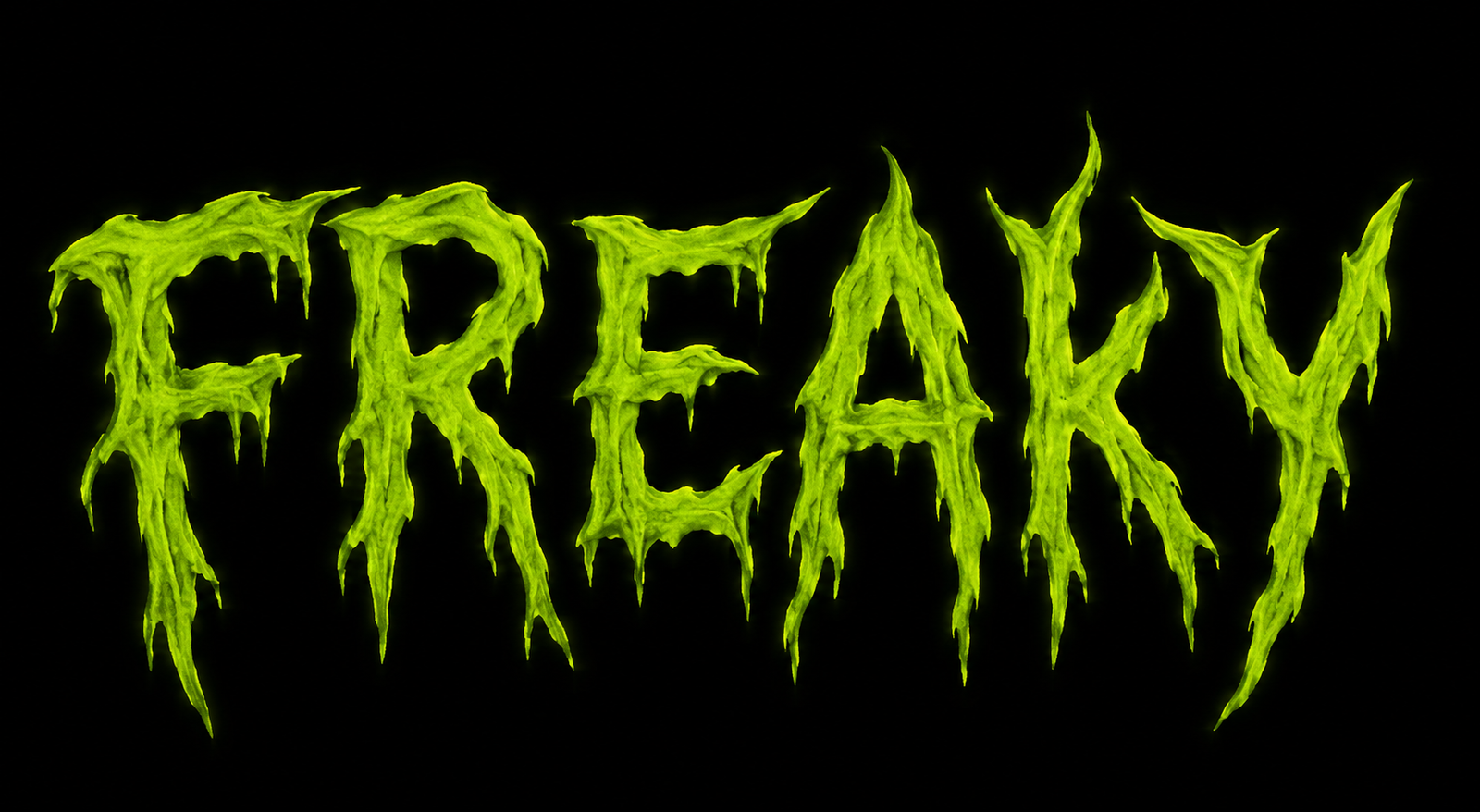
Typography has always been one of the most powerful visual communication tools. Among the countless font styles available today, the freaky font category stands out for its ability to capture attention instantly, evoke emotion, and create memorable visual experiences.
Whether you’re designing Halloween invitations, gaming graphics, social media posts, horror-themed branding, event posters, or creative digital content, the right typography can dramatically influence how audiences perceive your message. A well-chosen font can make a design feel mysterious, eerie, unconventional, playful, or completely unforgettable.
As visual trends continue evolving across digital platforms, unusual typography has become increasingly popular among creators looking to differentiate themselves. Understanding how a freaky font works, where it performs best, and how to use it effectively can elevate both personal and professional design projects.
What Is a Freaky Font?
A freaky font is a typeface designed to appear unusual, eerie, distorted, unconventional, or visually striking. Unlike traditional fonts that prioritize neutrality and readability, these fonts intentionally create strong emotional reactions through their appearance.
The term encompasses a broad range of styles, including horror-inspired lettering, gothic typography, dripping text effects, distorted characters, fantasy-themed typefaces, glitch fonts, and decorative display fonts. Their primary purpose is often to attract attention and establish a specific mood rather than support long-form reading.
Why Freaky Fonts Are So Popular
Modern audiences are constantly exposed to vast amounts of content, making visual differentiation increasingly important. Unique typography helps designers create immediate visual impact in crowded digital environments.
Social media platforms, streaming content, gaming communities, event promotions, and entertainment brands frequently rely on attention-grabbing text styles to stop scrolling behavior. A distinctive freaky font can transform an ordinary message into something that feels memorable and engaging.
The Psychology Behind Unusual Typography
Typography affects perception before readers process the actual words. Sharp edges, irregular spacing, distorted shapes, and exaggerated letterforms can create feelings of mystery, tension, excitement, or curiosity.
Research in visual communication consistently demonstrates that people form impressions within seconds. When a design incorporates unconventional typography, viewers often associate it with creativity, entertainment, fantasy, rebellion, or suspense depending on the specific visual treatment.
Common Characteristics of a Freaky Font
Most designs within this typography category share certain visual traits that distinguish them from conventional fonts. These characteristics help establish a strong visual identity and emotional tone.
Common features include irregular letterforms, jagged edges, exaggerated serifs, dripping effects, distressed textures, unusual spacing, decorative embellishments, and asymmetrical structures. These elements work together to create a memorable visual experience.
Major Types of Freaky Fonts
The category includes numerous substyles that serve different creative purposes. Understanding these variations helps designers select typography that aligns with project goals.
Some of the most popular styles include horror fonts, gothic fonts, fantasy lettering, glitch typography, monster-inspired typefaces, hand-drawn creepy fonts, grunge lettering, cyberpunk text styles, and decorative Halloween fonts. Each delivers a distinct aesthetic and emotional response.
Horror-Inspired Typography
Horror typography is perhaps the most recognizable form of freaky font design. These fonts often feature dripping elements, scratched surfaces, uneven strokes, and unsettling visual distortions.
They are widely used for haunted house promotions, horror movie posters, thriller book covers, escape room marketing, and seasonal Halloween campaigns. Their visual language immediately signals suspense and intrigue.
Gothic Fonts and Dark Elegance
Gothic typography combines dramatic visual presence with historical influences. Many gothic typefaces feature ornate details, sharp serifs, and medieval-inspired structures.
Unlike purely horror-focused styles, gothic fonts often balance darkness with sophistication. They work exceptionally well for luxury branding, fantasy media, alternative fashion, and artistic projects seeking a dramatic atmosphere.
Glitch Fonts and Digital Distortion
Glitch typography draws inspiration from technological malfunctions, digital interference, and corrupted visual systems. Characters may appear fragmented, duplicated, displaced, or partially distorted.
This style has become particularly popular in gaming, cyberpunk design, music promotion, and futuristic branding. Its visual unpredictability creates excitement and reinforces themes of innovation and disruption.
Fantasy and Mythical Typography
Fantasy-inspired fonts use decorative elements to evoke magical worlds, legendary creatures, and epic storytelling. These designs often incorporate organic curves, runic influences, and elaborate flourishes.
Designers frequently use these fonts for role-playing games, fantasy novels, conventions, streaming content, and imaginative branding projects. They help transport audiences into fictional environments before a single word is read.
Comparison of Popular Freaky Font Categories
| Font Category | Visual Style | Best Uses | Emotional Impact | Readability |
| Horror Fonts | Dripping, scratched, distressed | Halloween, horror media | Fear, suspense | Moderate |
| Gothic Fonts | Ornate, dramatic, historical | Luxury, fantasy, fashion | Elegance, mystery | High |
| Glitch Fonts | Distorted, digital, fragmented | Gaming, tech, cyberpunk | Excitement, disruption | Moderate |
| Monster Fonts | Bold, exaggerated, playful | Events, entertainment | Fun, curiosity | Medium |
| Fantasy Fonts | Decorative, magical, detailed | Books, games, storytelling | Wonder, adventure | High |
| Grunge Fonts | Rough, textured, worn | Music, street culture | Authenticity, rebellion | Medium |
Where Designers Use Freaky Fonts
Creative typography appears across many industries beyond horror and entertainment. Brands increasingly leverage distinctive fonts to build memorable visual identities and stand out in competitive markets.
Applications include logo design, packaging, merchandise, YouTube thumbnails, Twitch overlays, album artwork, promotional posters, website headers, event marketing materials, and social media campaigns.
The Role of Freaky Fonts in Branding
Branding depends heavily on recognition and emotional connection. A carefully selected freaky font can help establish a unique personality that audiences remember.
However, successful branding requires balance. The font must support the brand message rather than overshadow it. When used strategically, unconventional typography can become a signature visual asset that strengthens recognition across platforms.
Social Media and Viral Typography Trends
Visual trends spread rapidly online, and typography often plays a major role in content performance. Eye-catching text styles can improve engagement by attracting immediate attention within crowded feeds.
Creators frequently experiment with dramatic lettering in thumbnails, memes, short-form videos, promotional graphics, and profile branding. A distinctive freaky font often serves as a visual shortcut for conveying personality and mood.
Choosing the Right Freaky Font
Selecting the right typography involves more than finding something visually unusual. Effective choices align with audience expectations, project objectives, and overall design strategy.
Designers should consider readability, platform requirements, audience demographics, brand personality, visual hierarchy, and emotional tone before committing to a specific typeface.
Readability Versus Visual Impact
One of the biggest mistakes designers make is prioritizing style over communication. While decorative typography can be visually exciting, excessive complexity may reduce readability.
A practical approach involves using highly decorative fonts for headlines while relying on cleaner supporting typography for body text. This preserves both visual appeal and user experience.
Color and Typography Pairing
Typography rarely exists in isolation. Color choices significantly influence how viewers perceive a font and the emotions it communicates.
Dark palettes often enhance creepy and mysterious aesthetics, while neon accents can strengthen futuristic or glitch-inspired themes. Designers who coordinate typography with color effectively create stronger visual cohesion.
Best Design Practices for Using Freaky Fonts
Successful implementation requires restraint and intentionality. Even the most impressive typeface can become ineffective if used excessively throughout a design.
Limit decorative fonts to focal areas, maintain adequate contrast, preserve spacing, test readability across devices, and ensure visual consistency throughout the project. These principles maximize impact without sacrificing usability.
Common Mistakes to Avoid
Many beginners assume that more distortion automatically creates a stronger design. In reality, excessive effects often create confusion rather than engagement.
Avoid overcrowding layouts with multiple decorative fonts, stretching letterforms disproportionately, using difficult-to-read colors, or applying complex typography to large blocks of text. Simplicity frequently produces better results.
How Typography Trends Have Evolved
Typography trends reflect broader cultural and technological changes. Earlier decorative fonts often relied on print-inspired textures and handcrafted aesthetics.
Today’s trends incorporate digital influences, animation, AI-assisted design tools, augmented reality experiences, and interactive visual effects. As technology advances, the future of the freaky font category continues expanding into new creative territory.
The Growing Influence of Gaming Culture
Gaming has become a major driver of typography innovation. Game developers frequently create custom lettering systems that support immersive storytelling and world-building.
These influences have spread beyond gaming into mainstream marketing, streaming culture, esports branding, and digital entertainment. As a result, many modern decorative fonts borrow elements from game interface design and fantasy aesthetics.
Why Emotional Design Matters
People remember experiences that trigger emotions. Typography contributes significantly to those emotional responses, often working subconsciously alongside imagery and color.
A thoughtfully selected freaky font can communicate excitement, mystery, danger, curiosity, or wonder before audiences engage with the content itself. This emotional immediacy makes typography a valuable strategic asset.
Expert Perspective on Typography and Attention
As legendary typographer Erik Spiekermann famously observed, “Typography is what language looks like.”
That idea highlights why typeface selection matters so much. The appearance of text shapes audience expectations and influences how messages are interpreted long before the content is fully processed.
The Future of Freaky Font Design
Artificial intelligence, variable font technology, motion graphics, and immersive digital experiences are reshaping typography at an unprecedented pace. Designers now have access to tools that allow highly customized visual expression.
Future typography will likely become more adaptive, interactive, and responsive, enabling creators to build unique experiences that evolve across devices, platforms, and user interactions while maintaining strong visual identity.
Conclusion
The world of freaky font design extends far beyond spooky Halloween graphics. It encompasses a diverse collection of creative typography styles that help brands, creators, marketers, and designers communicate emotion, personality, and visual distinction.
Whether you’re developing a gaming brand, creating social media content, designing promotional materials, or building immersive storytelling experiences, the right typography can significantly enhance audience engagement. By balancing creativity with readability and strategy, designers can use unconventional fonts to create memorable visual experiences that leave a lasting impression.
FAQ
What is a freaky font?
A freaky font is a decorative or unconventional typeface designed to create strong visual impact through unusual shapes, textures, distortions, or stylistic elements.
Where are freaky fonts commonly used?
A freaky font is commonly used in horror projects, gaming graphics, event promotions, social media content, posters, branding campaigns, and entertainment marketing.
Are freaky fonts good for professional branding?
A freaky font can work well for branding when it aligns with the target audience, brand personality, and overall communication goals.
Do freaky fonts affect readability?
Yes, some freaky font styles reduce readability because of their decorative nature. They are generally best used for headlines rather than long text passages.
How do I choose the best freaky font?
Choose a freaky font based on your project’s theme, audience expectations, readability requirements, and desired emotional impact.
Can freaky fonts improve social media engagement?
A visually distinctive freaky font can help attract attention, increase content visibility, and encourage engagement when used strategically in social media graphics.
Are freaky fonts only for horror designs?
No. While many associate a freaky font with horror themes, these fonts are also widely used in gaming, fantasy, cyberpunk, music, and creative branding projects.
You May Also Read: Steal a Brainrot Wiki