

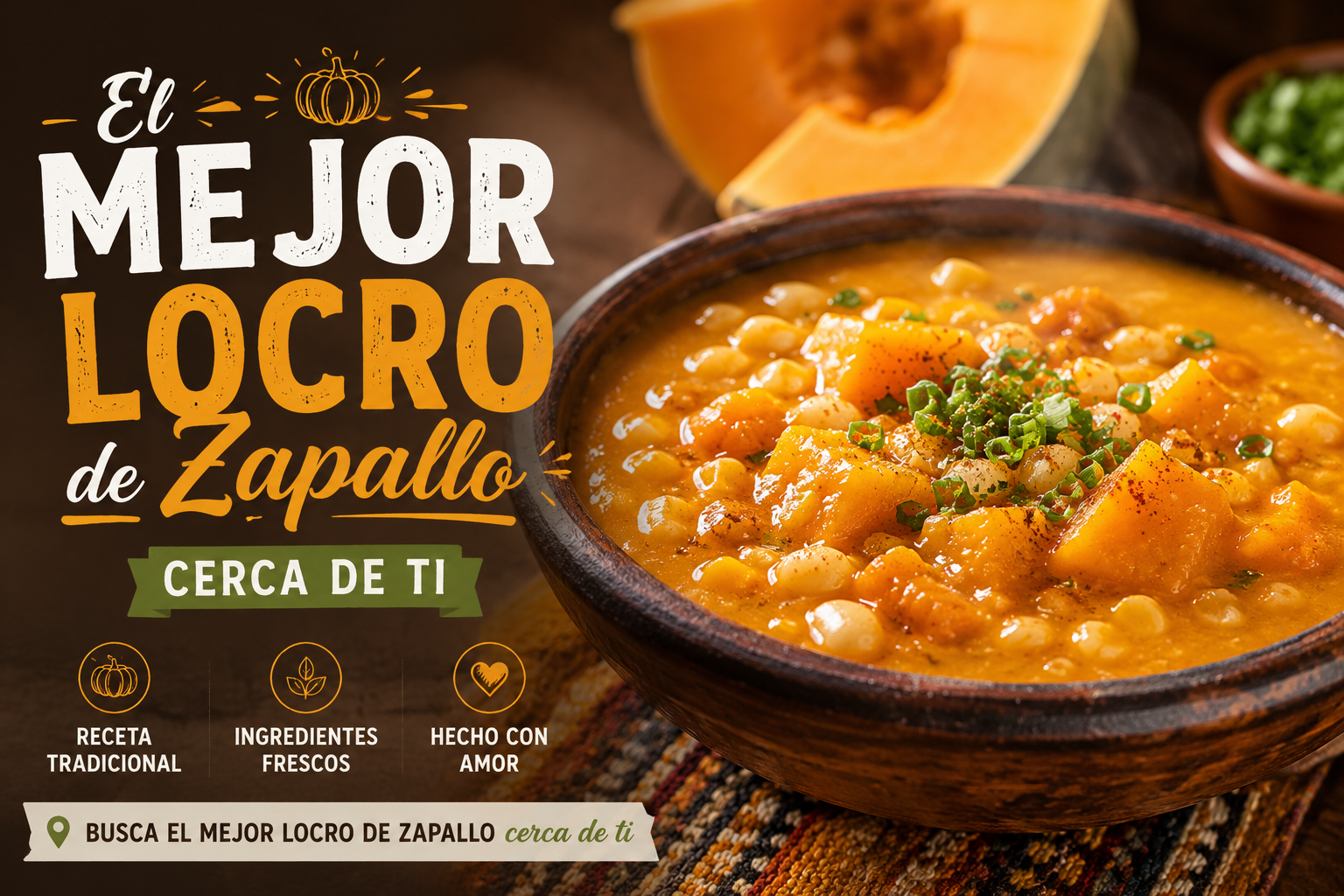
Searching for the best locro de zapallo near me is about more than satisfying hunger. It is about discovering a rich, comforting dish deeply rooted in South American culinary tradition. From rustic neighborhood eateries to modern Latin American restaurants, locro de zapallo continues to gain popularity among food lovers looking for hearty flavors, nutritious ingredients, and authentic dining experiences.
This traditional pumpkin-based stew is beloved for its creamy texture, slow-cooked vegetables, warming spices, and regional variations. Whether you are exploring Argentine cuisine, Ecuadorian comfort food, Peruvian-inspired menus, or fusion Latin kitchens, finding the perfect bowl can transform an ordinary meal into a memorable culinary experience.
Why Locro de Zapallo Has Become So Popular
Locro de zapallo appeals to diners because it combines comfort, nutrition, and cultural authenticity in one dish. The rich pumpkin base creates a velvety consistency while corn, potatoes, beans, squash, and herbs contribute depth and texture that feel both rustic and refined.
Another reason people search for the best locro de zapallo near me is the growing appreciation for traditional Latin American foods. Modern diners increasingly value handmade, slow-cooked meals prepared with local ingredients and time-honored cooking techniques that preserve regional identity.
What Exactly Is Locro de Zapallo?
Locro de zapallo is a traditional South American stew primarily made from pumpkin or squash. Depending on the country and region, it may include cheese, corn, potatoes, beans, onions, milk, herbs, or meats. Vegetarian versions are especially common and widely appreciated for their rich flavor.
The dish has Indigenous culinary origins dating back centuries. Over time, different regions adapted the recipe using local ingredients and cooking styles. Today, locro de zapallo remains a staple comfort food served in homes, markets, and restaurants throughout Latin America.
How to Identify the Best Locro de Zapallo Near You
The best versions of locro de zapallo typically feature fresh pumpkin with naturally sweet flavor and smooth texture. Quality preparation allows the squash to remain the centerpiece without overpowering spices masking its character.
Restaurant quality also depends on balance. Great locro de zapallo combines creamy consistency, layered seasoning, fresh herbs, and hearty ingredients without becoming too heavy. Authentic recipes often prioritize simplicity and freshness over excessive complexity.
Signs of an Authentic Locro de Zapallo Restaurant
Restaurants serving authentic locro usually emphasize homemade preparation and regional culinary traditions. Menus often include other classic Latin American dishes such as empanadas, humitas, tamales, or traditional soups.
Authentic establishments also tend to prepare the stew slowly rather than relying on shortcuts. Fresh herbs, hand-cut vegetables, roasted squash, and traditional serving styles often signal higher quality and stronger culinary roots.
Ingredients That Make Locro de Zapallo Exceptional
A truly memorable locro de zapallo starts with quality squash varieties such as pumpkin, kabocha, or butternut squash. These provide natural sweetness and creamy texture without requiring excessive cream or artificial thickening.
Supporting ingredients matter just as much. Fresh corn, onions, garlic, potatoes, herbs, paprika, and regional cheeses contribute complexity and balance. In some recipes, smoked meats or chorizo introduce additional richness and savory depth.
Regional Variations of Locro de Zapallo
Different South American countries prepare locro in unique ways. Argentine versions may include beans and meats, while Ecuadorian styles often emphasize cheese, avocado, and milk-based creaminess.
Peruvian and Bolivian variations sometimes incorporate chili peppers or Andean potatoes for additional earthiness. Exploring regional styles can help food lovers better appreciate the cultural diversity behind the search for the best locro de zapallo near me.
Best Places to Find Locro de Zapallo
Latin American restaurants are often the most reliable starting point when searching locally. Family-owned eateries frequently preserve traditional recipes passed through generations and offer more authentic flavor profiles than larger chain restaurants.
Farm-to-table cafes and modern fusion restaurants have also begun featuring locro on seasonal menus. During colder months especially, pumpkin stew becomes increasingly popular among chefs focused on comfort-oriented cuisine.
What to Expect When Ordering Locro de Zapallo
Most servings arrive hot and thick, often garnished with herbs, cheese, avocado, or crispy toppings. The stew is commonly served alongside bread, rice, toasted corn, or empanadas for a complete meal.
Flavor profiles vary from mildly sweet and creamy to savory and smoky depending on ingredients used. Many diners appreciate the dish because it feels filling without being excessively heavy or greasy.
Nutritional Benefits of Locro de Zapallo
One reason the best locro de zapallo near me searches continue rising is the dish’s nutritional value. Pumpkin contains fiber, antioxidants, vitamin A, potassium, and immune-supporting nutrients while remaining relatively low in calories.
Vegetable-rich versions also provide plant-based nutrition and sustained energy. Even richer variations with cheese or meat often maintain balanced nutritional profiles due to their high vegetable content and natural ingredients.
Locro de Zapallo Compared to Other Latin American Soups
| Dish | Main Ingredient | Texture | Typical Flavor Profile | Common Additions |
| Locro de Zapallo | Pumpkin or squash | Thick and creamy | Sweet-savory and earthy | Corn, cheese, potatoes |
| Sancocho | Mixed meats and root vegetables | Brothy | Rich and savory | Plantains, yucca |
| Ajiaco | Potatoes | Thick soup | Herbal and creamy | Chicken, cream, capers |
| Caldo Verde | Potatoes and greens | Light creamy broth | Mild and smoky | Sausage, kale |
| Chupe de Camarones | Shrimp | Creamy seafood stew | Rich and spicy | Milk, corn, peppers |
This comparison highlights why locro stands out. Its pumpkin-forward flavor creates a unique combination of comfort, sweetness, and rustic richness rarely found in other traditional soups.
Why Seasonal Ingredients Matter
The quality of squash dramatically affects the final dish. Restaurants using fresh seasonal pumpkin often produce brighter flavor, smoother texture, and more natural sweetness than those relying on frozen or processed ingredients.
Autumn and winter are generally the best times to search for the best locro de zapallo near me because restaurants can access peak-quality squash and seasonal produce that elevate the stew’s flavor profile.
The Rise of Latin Comfort Food
Global food trends increasingly favor authentic comfort dishes with strong cultural identity. Locro de zapallo fits perfectly within this movement because it delivers emotional warmth, heritage storytelling, and satisfying flavors in every serving.
Social media has also contributed to its popularity. Diners frequently share vibrant bowls topped with herbs, cheese, and colorful garnishes that visually showcase the dish’s rustic appeal and hearty texture.
Vegetarian and Vegan Locro Options
Many restaurants now offer vegetarian and vegan locro variations to accommodate changing dietary preferences. Coconut milk, cashew cream, or vegetable broth often replace dairy while preserving the stew’s signature creaminess.
Plant-based locro versions can be exceptionally flavorful when chefs use roasted squash, smoked paprika, caramelized onions, and fresh herbs. These adaptations make the dish accessible to broader audiences without losing authenticity.
Common Mistakes Restaurants Make
Some restaurants over-thicken locro until it resembles mashed vegetables rather than stew. Others rely too heavily on cream or cheese, masking the natural sweetness and earthy character of the pumpkin.
Low-quality versions may also lack seasoning balance. Proper locro should feel layered and comforting, not bland or overwhelmingly salty. Ingredient freshness and slow cooking remain essential to achieving authentic flavor.
What Food Critics Look for in Great Locro
Professional food reviewers typically evaluate texture, ingredient harmony, authenticity, and preparation quality. Smooth but slightly chunky consistency is often considered ideal because it preserves rustic character while remaining creamy.
Critics also value restraint. The best chefs allow pumpkin flavor to shine naturally instead of hiding it beneath excessive spices, oils, or toppings that overwhelm the dish’s core identity.
Pairing Suggestions for Locro de Zapallo
Crusty bread pairs beautifully with locro because it absorbs the creamy broth while adding texture contrast. Fresh salads with citrus vinaigrettes can also balance the stew’s richness and sweetness.
Beverage pairings vary by preparation style. Light red wines, herbal teas, sparkling water, and traditional South American drinks complement the dish particularly well without overpowering its flavor profile.
The Cultural Importance of Locro
Locro is more than a recipe. In many South American communities, it represents family gatherings, celebrations, seasonal harvests, and culinary heritage passed through generations.
Traditional cooking methods often involve communal preparation, large pots, and slow simmering. This cultural significance explains why many diners searching for the best locro de zapallo near me seek not only flavor but also authenticity and emotional connection.
How Online Reviews Can Help
Customer reviews often reveal useful details about portion size, authenticity, spice levels, and ingredient quality. Photos can also provide clues about texture consistency and presentation standards before visiting a restaurant.
However, reviews should be evaluated carefully. The best approach combines online ratings with menu analysis, ingredient descriptions, and local reputation within Latin American culinary communities.
Delivery vs Dining In
Locro generally travels well because its thick consistency retains heat and texture during delivery. Many diners enjoy ordering it during colder weather as a comforting takeout meal.
Dining in, however, usually offers the best overall experience. Fresh garnishes, ideal serving temperature, and traditional accompaniments often taste noticeably better when enjoyed immediately after preparation.
Homemade vs Restaurant Locro
Homemade locro allows full control over ingredients and seasoning while creating a more personal connection to the dish. Many families develop unique recipes that reflect regional traditions and generational cooking styles.
Restaurant versions, however, can introduce diners to professional techniques and authentic regional interpretations they may not easily recreate at home. Exploring both approaches deepens appreciation for the dish’s versatility.
Why Texture Matters So Much
Texture defines excellent locro de zapallo as much as flavor does. The stew should feel creamy and substantial while still containing visible pieces of vegetables and supporting ingredients.
An overly smooth puree loses the rustic charm that makes locro comforting and authentic. Meanwhile, undercooked vegetables can create an unpleasant inconsistency that weakens the overall experience.
How Chefs Elevate Traditional Locro
Modern chefs increasingly reinterpret locro with gourmet techniques while preserving its traditional roots. Roasted squash, smoked oils, artisan cheeses, and herb infusions add complexity without sacrificing authenticity.
Some upscale restaurants also experiment with plating and presentation. Despite these innovations, the heart of great locro remains simple ingredients cooked thoughtfully and respectfully.
Locro de Zapallo as a Cold-Weather Favorite
The dish becomes especially popular during colder months because of its warming, hearty qualities. Rich pumpkin flavor and thick consistency make it ideal comfort food during autumn and winter.
Many diners specifically search for the best locro de zapallo near me during rainy evenings or cooler weekends when slow-cooked soups and stews feel particularly satisfying and restorative.
The Emotional Connection Behind Comfort Foods
Comfort foods often trigger memories, emotions, and cultural nostalgia. Locro de zapallo carries this emotional resonance strongly because it is commonly associated with family meals and home cooking traditions.
As chef and food writer Anthony Bourdain once noted, “Food may not be the answer, but it’s a good beginning.” That sentiment perfectly reflects why traditional dishes like locro continue to resonate across cultures and generations.
Trends Shaping Modern Latin Cuisine
Latin American cuisine continues gaining international recognition for its depth, regional diversity, and ingredient quality. Locro benefits from this broader movement toward authentic culinary storytelling and heritage-focused cooking.
Restaurants increasingly highlight Indigenous influences, seasonal vegetables, and traditional preparation techniques. This trend has helped elevate humble dishes like locro into sought-after menu specialties worldwide.
Tips for Finding the Best Local Spot
Search for restaurants specializing in regional Latin American cuisine rather than generalized international menus. Authenticity often improves when chefs focus on specific culinary traditions rather than broad fusion concepts.
Look for seasonal menu updates, homemade soups, and customer photos showing rich texture and fresh garnishes. Smaller independent restaurants frequently offer the most memorable versions due to their stronger cultural connection and slower cooking methods.
Conclusion
Finding the best locro de zapallo near me is ultimately about discovering authentic comfort, rich culinary heritage, and thoughtfully prepared ingredients. The dish stands out because it combines creamy pumpkin flavor, nourishing vegetables, and centuries of South American tradition in one deeply satisfying meal.
Whether enjoyed at a family-owned Latin restaurant, an upscale modern eatery, or a local seasonal cafe, excellent locro de zapallo delivers warmth, flavor, and cultural connection that few dishes can match. As appreciation for traditional Latin cuisine continues growing, this beloved pumpkin stew remains one of the most rewarding comfort foods to explore.
FAQ
What is locro de zapallo made from?
Locro de zapallo is primarily made from pumpkin or squash along with vegetables, corn, potatoes, herbs, cheese, and sometimes meat depending on regional recipes.
Where can I find the best locro de zapallo near me?
The best locro de zapallo near me searches often lead to authentic Latin American restaurants, family-owned eateries, and seasonal comfort-food cafes specializing in traditional cuisine.
Is locro de zapallo healthy?
Yes, locro de zapallo can be highly nutritious because pumpkin contains fiber, vitamins, antioxidants, and minerals while many recipes include fresh vegetables and natural ingredients.
What does locro de zapallo taste like?
Locro de zapallo usually tastes creamy, earthy, slightly sweet, and savory with rich pumpkin flavor balanced by herbs, spices, and hearty vegetables.
Is locro de zapallo vegetarian?
Many versions are vegetarian, although some regional recipes include beef, pork, or sausage. Vegan adaptations are also increasingly common in modern restaurants.
Why is locro de zapallo considered comfort food?
Its warm texture, slow-cooked ingredients, creamy consistency, and cultural associations with family meals make locro de zapallo a classic comfort dish across South America.
What season is best for eating locro de zapallo?
Autumn and winter are the most popular seasons because fresh squash is widely available and the stew’s warming qualities feel especially satisfying in colder weather.
You May Also Read: Best Chuflay Cocktail Near Me