

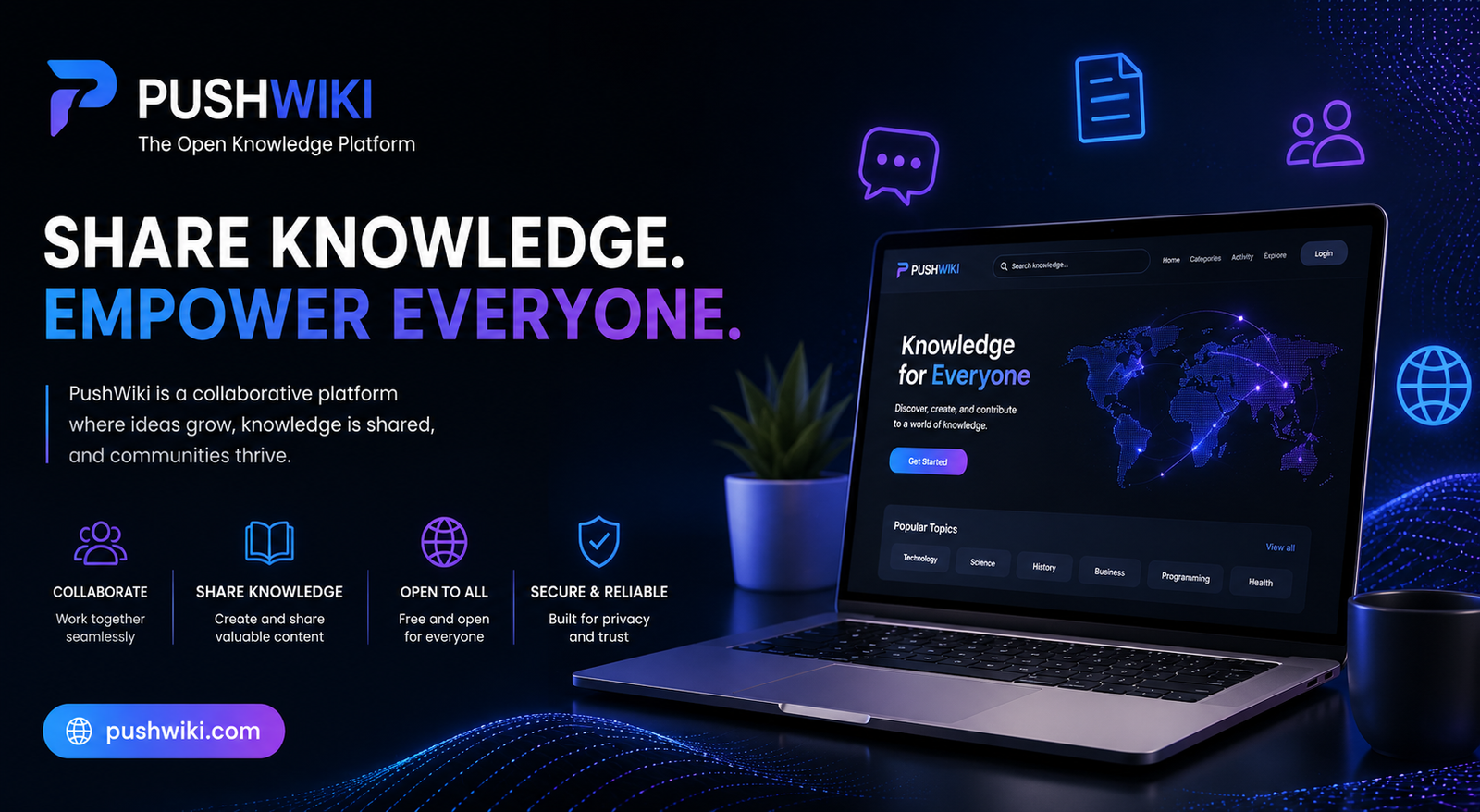
The modern internet is filled with niche content platforms, information hubs, streaming directories, and user-driven websites that evolve rapidly based on audience behavior. Among these emerging names, pushwiki com has gained attention from users searching for fast-access information, entertainment-related resources, trending content references, and digital navigation tools. While many people encounter the platform through search engines or social media discussions, fewer understand how such platforms function, why they attract traffic, and what users should know before engaging with them.
As digital ecosystems continue expanding, websites that aggregate information or organize online resources occupy an increasingly important role. Users today want speed, simplicity, discoverability, and convenience. Platforms like pushwiki com reflect this demand by attempting to centralize content categories and streamline user access patterns. This shift mirrors broader trends in search behavior where users prefer lightweight, rapidly accessible information rather than overly complicated interfaces.
Understanding how these platforms operate is valuable for casual users, researchers, SEO professionals, content strategists, and digital marketers alike. The growth of alternative content discovery systems demonstrates how internet consumption habits are changing across entertainment, education, and informational sectors. Instead of relying solely on traditional search engines, users increasingly discover resources through referral ecosystems, discussion communities, and specialized websites.
One reason interest in pushwiki com continues rising is the growing demand for organized digital navigation. Many users become frustrated with cluttered interfaces, intrusive advertising, and fragmented search experiences. As a result, simplified content-access models often gain traction quickly. Websites positioned around accessibility and fast browsing naturally attract curiosity from both everyday visitors and industry observers.
Another major factor behind the visibility of pushwiki com is search behavior itself. Search engines reward relevance, topical structure, and user engagement signals. When users repeatedly look for a platform by name, it creates additional organic momentum. This can transform relatively unknown domains into recognizable search entities within surprisingly short periods of time.
The broader digital environment also plays an important role. Content consumption is now heavily influenced by mobile browsing, social recommendations, short attention spans, and instant gratification. Websites that align with these user expectations often experience increased retention and recurring traffic. Even simple interfaces can outperform feature-heavy competitors when usability is prioritized correctly.
In many ways, platforms like pushwiki com symbolize a larger internet evolution. The focus is moving toward frictionless discovery, categorized information flow, and efficient browsing experiences. Users increasingly value practical functionality over excessive visual complexity. That trend affects everything from entertainment directories to educational resources and news aggregation systems.
A useful quote from usability expert Steve Krug captures this perfectly: “Don’t make me think.” The statement reflects a core principle of modern web engagement. Users stay longer on websites that reduce confusion, improve navigation clarity, and minimize unnecessary barriers. Simplicity often wins over complexity in real-world browsing behavior.
Understanding the Purpose Behind Pushwiki Com
At its core, pushwiki com appears to align with the growing category of web platforms focused on content discovery, informational aggregation, and simplified navigation experiences. Many modern internet users seek centralized environments where they can access trending references, categorized materials, and fast-loading resources without navigating dozens of unrelated pages. This behavioral shift has contributed significantly to the popularity of streamlined digital platforms.
The rise of search-centric platforms also reflects broader consumer expectations regarding efficiency and convenience. Users now expect websites to load quickly, display clearly on mobile devices, and reduce unnecessary friction during exploration. In that context, pushwiki com represents the type of domain that gains attention because it attempts to simplify access pathways while maintaining a user-friendly browsing structure.
Why Users Search for Pushwiki Com
People search for pushwiki com for several reasons, including curiosity, entertainment access, informational discovery, and recommendations from online communities. Search patterns often emerge organically when users share links across forums, messaging apps, or social channels. Once a platform reaches a certain visibility threshold, search engine momentum tends to amplify exposure further.
Another reason users search for these platforms is the desire for alternative discovery systems outside traditional search engines. Many internet users prefer niche hubs that organize content more directly and reduce the time required to locate specific information. This preference has become increasingly common among younger, mobile-first audiences who prioritize speed and simplicity over extensive browsing depth.
The Evolution of Content Discovery Platforms
The internet has evolved dramatically from static webpages into dynamic ecosystems built around engagement, accessibility, and user intent. Earlier generations of websites emphasized quantity of information, while modern users prioritize usability and efficient navigation. Platforms similar to pushwiki com fit into this newer wave of content architecture focused on simplified user journeys.
Content discovery models have also changed because algorithms increasingly reward engagement quality rather than raw traffic alone. Websites that encourage longer sessions, smoother browsing, and repeat visits often perform better in organic search rankings. As a result, many digital platforms now focus heavily on improving navigation structure, content categorization, and mobile responsiveness.
How Modern Audiences Consume Online Content
Digital audiences today consume information differently than they did even five years ago. Short-form browsing, mobile engagement, and multi-platform discovery dominate user behavior across most industries. Visitors frequently jump between social media, search engines, forums, and specialized websites within a single browsing session.
This fragmented attention environment means websites must immediately communicate relevance and usability. If a platform feels cluttered or confusing, users leave quickly. Simplicity, clarity, and fast-loading design elements have become competitive advantages. That reality explains why lightweight informational ecosystems continue gaining popularity among modern web users.
Key Features Commonly Associated With Platforms Like Pushwiki Com
Many platforms in this category emphasize intuitive navigation, searchable structures, responsive layouts, and categorized content organization. These elements improve usability while helping users quickly locate relevant materials. Clean presentation and straightforward architecture often influence user satisfaction more than advanced visual effects.
Another important feature is adaptability across devices. Mobile optimization is no longer optional because a large percentage of traffic now originates from smartphones and tablets. Websites that fail to deliver consistent mobile performance typically experience lower engagement metrics and reduced search visibility over time.
The Role of Search Engines in Platform Visibility
Search engines remain central to how users discover emerging websites. Organic visibility depends on factors including keyword relevance, content structure, technical optimization, backlinks, and user engagement signals. When a platform begins receiving recurring branded searches, its visibility can increase substantially across related search queries.
Search behavior also creates feedback loops. The more users search for a domain name like pushwiki com, the more search engines recognize its relevance within specific topical contexts. This increased recognition can improve indexing frequency and lead to broader discoverability across adjacent keyword categories.
User Experience and Website Engagement
User experience has become one of the most influential factors in digital success. Visitors judge websites within seconds, often based on speed, readability, layout clarity, and ease of navigation. A streamlined experience encourages deeper engagement and reduces bounce rates significantly.
Websites that prioritize user comfort typically retain visitors longer and generate stronger trust signals. Clean interfaces, readable typography, logical menus, and minimized distractions contribute to positive browsing experiences. These seemingly simple details can dramatically influence long-term audience retention.
Pushwiki Com and Mobile Browsing Trends
Mobile browsing dominates much of today’s internet traffic, which means platforms must function seamlessly across smaller screens. Responsive layouts, optimized images, and simplified menus are now critical components of effective web design. Users expect immediate usability without zooming, excessive scrolling, or broken layouts.
The increasing importance of mobile-first indexing by search engines further reinforces this requirement. Platforms optimized for smartphones often achieve stronger search performance because they align with modern browsing behaviors. Fast mobile performance also contributes directly to user satisfaction and session duration.
The Importance of Fast Website Performance
Website speed strongly influences engagement, search rankings, and user trust. Slow-loading pages frustrate users and increase abandonment rates, especially on mobile connections. Modern internet audiences expect near-instant access to information and rarely tolerate delays longer than a few seconds.
Performance optimization involves multiple factors including compressed media, efficient coding, streamlined architecture, and reduced server response times. Websites that prioritize speed create smoother user journeys while improving SEO outcomes and increasing repeat visitation rates.
Digital Trust and Website Credibility
Users increasingly evaluate online credibility before interacting deeply with unfamiliar platforms. Trust indicators include professional design, transparent navigation, secure connections, and consistent content organization. Even subtle usability issues can negatively impact perceived legitimacy.
Digital credibility also depends on how clearly a platform communicates its purpose. Confusing layouts or excessive pop-ups often reduce user confidence. In contrast, accessible design and intuitive structure help establish a more trustworthy browsing environment for both new and returning visitors.
Common Misconceptions About Emerging Platforms
One common misconception is that smaller or lesser-known platforms automatically lack value or legitimacy. In reality, many niche websites serve highly targeted audiences effectively by focusing on usability and specialized content categories. Popularity alone does not always determine usefulness.
Another misunderstanding involves assuming all aggregation-style platforms function identically. Different websites emphasize different goals, ranging from entertainment discovery to educational organization or community-driven information sharing. Evaluating a platform requires understanding its intended audience and operational structure.
SEO Relevance and Keyword Momentum
The growing visibility of pushwiki com highlights how branded keyword momentum works in modern SEO environments. Once users repeatedly search for a term, search engines begin associating that keyword with broader topical relevance. This process can accelerate visibility rapidly.
SEO success today depends heavily on semantic relevance rather than simple keyword repetition. Search engines analyze contextual relationships, user intent, topical depth, and engagement patterns. Websites that provide structured, relevant experiences tend to perform more consistently over time.
Content Categorization and Information Architecture
Strong information architecture improves usability by helping visitors understand where content belongs and how to access it efficiently. Organized categories reduce cognitive friction and encourage deeper exploration across multiple pages or sections.
Effective categorization also benefits search engines by clarifying topical relationships within a website. Structured navigation helps crawlers interpret content relevance more accurately, improving indexing quality and search visibility across related queries.
Comparing Traditional Search Models and Curated Platforms
The difference between traditional search engines and curated platforms often comes down to control and focus. Search engines provide broad discovery across the internet, while curated systems attempt to streamline access within narrower thematic categories.
The following table highlights key distinctions between these browsing approaches:
| Feature | Traditional Search Engines | Curated Discovery Platforms |
| Search Scope | Extremely broad | More focused |
| User Navigation | Multi-step exploration | Simplified pathways |
| Content Organization | Algorithm-driven | Category-driven |
| Information Filtering | Automated ranking | Curated structure |
| User Experience | Variable | Often streamlined |
| Discovery Speed | Depends on query quality | Usually faster |
| Mobile Simplicity | Mixed results | Frequently optimized |
| Session Intent | General browsing | Targeted discovery |
This comparison demonstrates why many users gravitate toward specialized browsing environments that reduce complexity and improve navigation clarity.
The Influence of Social Sharing on Traffic Growth
Social platforms significantly influence how websites gain recognition. Viral discussions, recommendations, and link sharing often drive sudden traffic spikes that increase overall search visibility. Even relatively small communities can create meaningful momentum through repeated sharing behavior.
Modern internet culture thrives on discoverability. When users repeatedly discuss or recommend a platform, curiosity drives additional searches and engagement. This organic amplification process frequently contributes to the growth of emerging domains across entertainment and informational sectors.
Security Awareness for Internet Users
Users should always approach unfamiliar websites with basic digital caution regardless of popularity or recommendations. Good security habits include verifying secure connections, avoiding suspicious downloads, and using updated browsers with security protections enabled.
Digital literacy has become increasingly important as the web expands. Understanding how to recognize trustworthy interfaces, secure browsing environments, and responsible usage practices helps users navigate online ecosystems more safely and confidently.
The Relationship Between Simplicity and User Retention
Simplicity plays a major role in retaining online audiences. Overcomplicated interfaces create friction that discourages engagement, while clear navigation encourages exploration. Many successful platforms intentionally reduce visual clutter to improve usability and increase session duration.
This principle extends beyond aesthetics into functional design decisions. Simple menus, readable formatting, logical page hierarchy, and responsive layouts collectively shape how comfortable users feel during browsing experiences.
Why Branded Searches Matter in SEO
Branded searches are powerful indicators of recognition and audience interest. When users search specifically for a platform name such as pushwiki com, search engines interpret this as a sign of direct relevance and user intent.
Branded visibility can strengthen domain authority indirectly by increasing click-through rates, repeat visitation, and topical associations. Over time, strong branded search behavior often supports broader organic performance across related keyword categories.
Content Consumption Habits Are Changing Rapidly
Modern audiences increasingly prefer efficient, digestible browsing experiences over lengthy navigation processes. Short attention spans and mobile-first behavior influence how websites structure information and prioritize usability.
This shift encourages platforms to focus on accessibility, speed, and direct relevance. Websites that adapt successfully to changing consumption habits often experience stronger engagement metrics and more sustainable long-term growth.
The Competitive Nature of Digital Discovery Platforms
The online discovery space is highly competitive because user loyalty can shift quickly between platforms. Visitors typically prioritize convenience, reliability, and relevance rather than brand history alone.
To remain competitive, platforms must continuously improve usability, optimize performance, and respond to evolving audience expectations. Even small improvements in navigation or load speed can significantly impact user retention and satisfaction.
Pushwiki Com and Broader Internet Trends
The rise of pushwiki com reflects larger trends shaping the internet today, including decentralized discovery, mobile engagement, and simplified content access. Users increasingly seek alternatives to overwhelming information environments filled with excessive advertising or fragmented navigation.
This broader shift suggests that streamlined digital ecosystems may continue gaining popularity across multiple sectors. As users prioritize efficiency and convenience, websites emphasizing usability and focused experiences will likely remain highly relevant.
Practical Tips for Exploring Online Platforms Safely
Users should always verify website credibility, avoid suspicious links, and maintain updated cybersecurity protections when browsing unfamiliar domains. Safe browsing practices are essential regardless of a website’s popularity or visibility.
It is also helpful to evaluate user experience objectively rather than relying solely on trends or recommendations. Factors such as transparency, usability, responsiveness, and navigation clarity often reveal far more about a platform’s quality than hype alone.
Future Outlook for Content Discovery Ecosystems
The future of content discovery will likely involve even greater personalization, mobile optimization, and streamlined navigation systems. Artificial intelligence, recommendation algorithms, and semantic search technologies will continue reshaping how users access information online.
Platforms that prioritize adaptability and user-centric design are positioned to benefit most from these evolving trends. As browsing habits continue changing, simplicity, speed, and contextual relevance will remain critical competitive advantages.
Conclusion
The growing interest surrounding pushwiki com highlights important shifts occurring across the digital landscape. Users increasingly value accessibility, simplified discovery systems, and efficient browsing experiences that reduce friction while improving usability. Platforms that align with these expectations naturally attract attention in competitive online environments.
Beyond its individual visibility, pushwiki com represents broader trends in modern internet behavior. Mobile-first engagement, streamlined interfaces, semantic search relevance, and user-focused navigation now shape how digital audiences interact with online platforms. Understanding these dynamics helps users, marketers, and content creators better navigate the evolving web ecosystem.
As digital discovery continues evolving, platforms emphasizing clarity, speed, and relevance will likely remain influential. Whether viewed from an SEO perspective, a usability standpoint, or a content-consumption lens, the rise of streamlined web experiences reflects the direction modern internet culture is heading.
FAQ
What is pushwiki com?
Pushwiki com is a web platform associated with content discovery, informational access, and streamlined browsing experiences that attract users searching for organized online resources.
Why are people searching for pushwiki com?
Many users search for pushwiki com because they want quick access to categorized information, trending resources, or alternative browsing experiences outside traditional search models.
Is pushwiki com mobile-friendly?
Modern users expect mobile optimization, and platforms like pushwiki com typically benefit from responsive layouts and simplified mobile navigation structures.
How does pushwiki com relate to SEO trends?
Pushwiki com reflects modern SEO trends focused on branded searches, user engagement, semantic relevance, and streamlined user experiences that improve retention.
Why do streamlined websites attract more users?
Simplified platforms reduce browsing friction, improve usability, and help visitors locate information faster, making them more appealing to modern audiences.
What should users consider before using unfamiliar websites?
Users should evaluate security, navigation clarity, mobile responsiveness, and overall credibility before engaging deeply with any unfamiliar online platform, including pushwiki com.
You May Also Read: Methstreams