

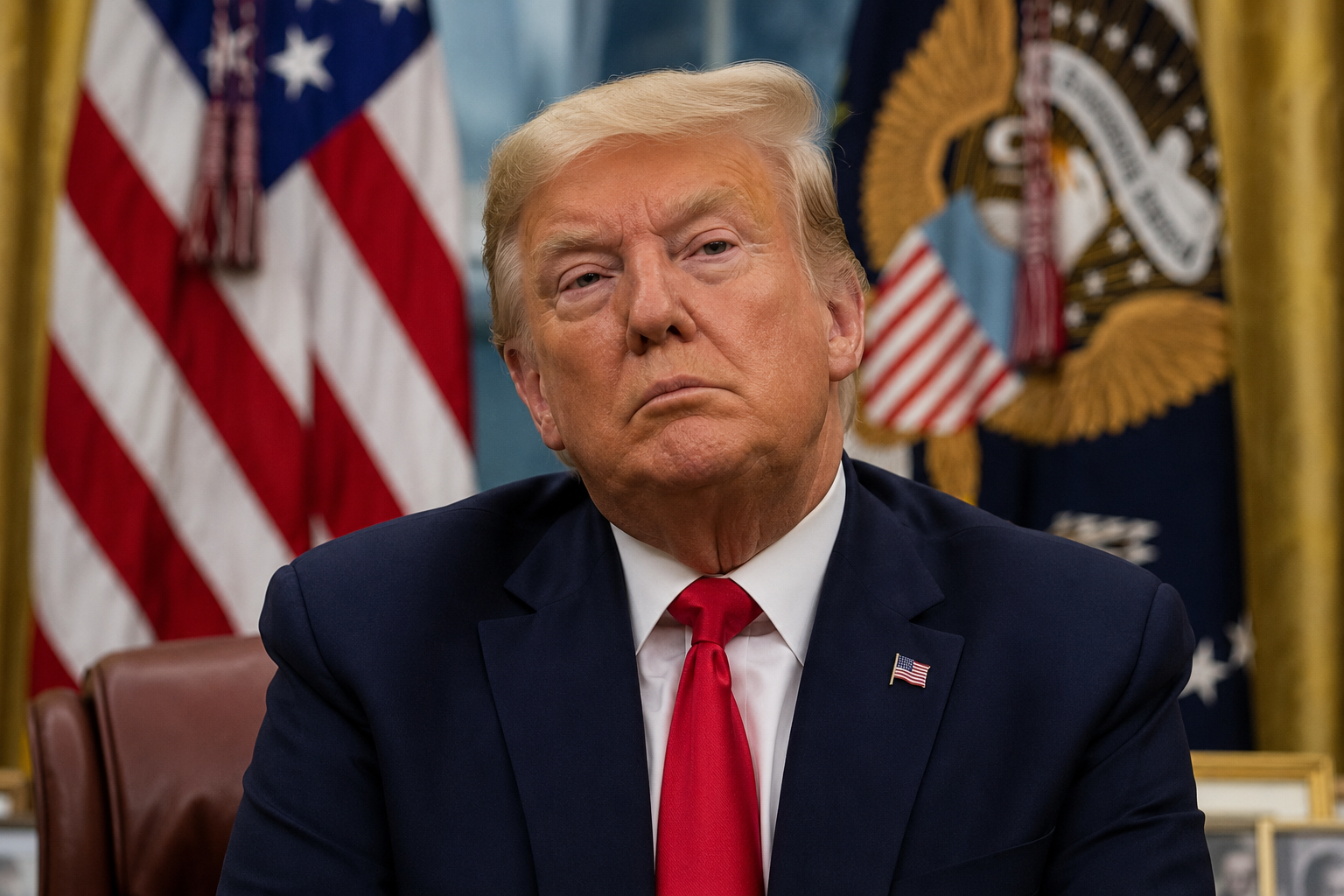
Few public figures in modern history have shaped political discussion, media cycles, and public opinion as dramatically as Donald Trump. From real estate branding and television fame to the White House and beyond, his influence stretches across business, politics, entertainment, and global culture.
Supporters view him as a disruptive outsider who challenged political norms and reshaped conservative politics. Critics see him as one of the most polarizing leaders in American history. Regardless of perspective, Donald Trump remains a defining figure whose actions continue to influence elections, policy debates, economic discussions, and international relations.
Early Life and Family Background
Donald Trump was born in Queens, New York City, into a wealthy real estate family led by his father, Fred Trump. Growing up in a business-oriented household exposed him to property development, negotiations, and large-scale investment strategies from an early age.
He later attended the Wharton School at the University of Pennsylvania, where he studied economics. This educational background, combined with his family connections and ambition, helped lay the foundation for his future career in commercial real estate and branding.
Rise in the Real Estate Industry
During the 1970s and 1980s, Donald Trump expanded his family’s real estate operations into Manhattan. He focused on luxury developments, hotels, casinos, and highly visible commercial properties that carried the Trump name as a premium brand identity.
Projects such as Trump Tower became symbols of wealth and high-end urban development. His approach blended aggressive marketing with large-scale construction, allowing him to build a public image that was as important as the properties themselves.
The Trump Brand and Media Expansion
One of the most distinctive aspects of Donald Trump’s career was his understanding of media attention. He transformed his surname into a global business brand associated with luxury, ambition, and exclusivity.
His visibility increased dramatically through television appearances and interviews. The reality TV show The Apprentice strengthened his image as a decisive businessman, introducing him to millions of viewers who later became politically engaged supporters.
Donald Trump’s Business Portfolio
Donald Trump’s business interests expanded into multiple industries over several decades. These ventures included hospitality, golf resorts, licensing agreements, entertainment projects, and branded consumer products.
While some businesses succeeded commercially, others faced financial challenges and bankruptcies. Still, his ability to maintain public visibility and brand recognition helped preserve his position as a major celebrity entrepreneur in American culture.
Key Areas of Trump’s Business Empire
| Sector | Major Focus | Public Impact |
| Real Estate | Luxury towers, hotels, commercial properties | Established national business reputation |
| Hospitality | Resorts and hotels | Expanded global brand recognition |
| Golf Industry | Premium golf courses and clubs | Built elite lifestyle association |
| Television | Reality TV and media appearances | Increased mainstream popularity |
| Licensing | Trump-branded products and partnerships | Monetized personal branding |
| Politics | Presidential campaigns and policy leadership | Reshaped conservative movement |
The table highlights how Donald Trump built influence across multiple sectors rather than relying solely on one business category. This diversification played a major role in maintaining long-term public relevance.
His strategy also demonstrated how personal branding can become a commercial asset. Few modern public figures have combined media exposure, corporate identity, and political messaging as effectively.
Entry Into American Politics
Although Donald Trump discussed political ambitions for years, his 2016 presidential campaign marked a turning point in modern American politics. Running as a Republican outsider, he positioned himself against traditional political elites and establishment institutions.
His campaign emphasized border security, trade reform, economic nationalism, and populist messaging. This approach resonated strongly with voters frustrated by economic uncertainty and distrust in Washington politics.
The 2016 Presidential Election
The 2016 election became one of the most heavily covered political events in recent history. Donald Trump faced former Secretary of State Hillary Clinton in a race marked by intense media attention, debates, and political polarization.
Despite many predictions against him, he secured victory through key battleground states. His win reshaped political analysis and demonstrated the growing influence of populist movements in democratic systems.
Leadership Style and Communication Strategy
Donald Trump’s communication style differs sharply from that of traditional politicians. He often uses direct language, short messaging formats, and emotionally charged statements that attract immediate media coverage.
Social media became central to his political strategy. Platforms such as Twitter allowed him to bypass traditional news channels and communicate directly with supporters, critics, and international audiences in real time.
Economic Policies During His Presidency
Economic growth and job creation became major themes during the Trump administration. Policies focused on corporate tax reductions, deregulation, energy production, and trade renegotiation with countries including China.
Supporters argued these measures encouraged business investment and strengthened domestic manufacturing. Critics, however, raised concerns about long-term deficits, wealth inequality, and the impact of tariff disputes on global markets.
Immigration and Border Security
Immigration policy became one of the defining issues associated with Donald Trump. His administration prioritized stricter border enforcement, expanded deportation efforts, and the construction of barriers along the U.S.-Mexico border.
These policies energized supporters who viewed stronger immigration control as essential for national security. Opponents argued that some measures created humanitarian concerns and increased social division across communities.
Foreign Policy and International Relations
Donald Trump adopted an “America First” approach to international affairs. His administration frequently emphasized national sovereignty, trade leverage, and reduced reliance on multinational agreements.
He also engaged directly with leaders from countries such as North Korea, Russia, and China. These interactions generated global attention and sparked ongoing debate regarding diplomacy, negotiation tactics, and geopolitical strategy.
Media Coverage and Public Perception
Media coverage of Donald Trump has consistently been intense and highly polarized. Some outlets portray him as a transformational leader who disrupted entrenched political systems, while others focus heavily on controversies and confrontational rhetoric.
This division reflects broader changes in media consumption and political identity. Public opinion surrounding him often mirrors deeper ideological divides within American society and international political discussions.
Legal Challenges and Investigations
Throughout his business and political career, Donald Trump has faced numerous legal disputes, investigations, and courtroom battles. These issues have involved financial practices, election-related matters, and corporate operations.
Supporters frequently argue that many investigations were politically motivated. Critics maintain that legal scrutiny reflects serious accountability concerns connected to leadership and institutional integrity.
Donald Trump and the Republican Party
Donald Trump significantly transformed the modern Republican Party. His influence shifted party priorities toward nationalism, immigration control, economic protectionism, and strong anti-establishment messaging.
Many Republican candidates now adopt communication styles and campaign strategies influenced by his political approach. This impact continues to shape primary elections, policy debates, and conservative voter engagement across the United States.
Influence on Political Campaigning
Modern campaigning changed dramatically during and after Donald Trump’s rise. Political strategists increasingly prioritize viral media moments, direct voter engagement, and emotional narrative framing.
His campaigns also highlighted the growing importance of digital communication, alternative media platforms, and rapid-response messaging. These techniques have influenced candidates across ideological lines worldwide.
Public Support and Grassroots Appeal
One reason Donald Trump maintains strong support is his ability to connect with voters who feel ignored by political institutions. Many supporters view him as authentic, outspoken, and willing to challenge elite power structures.
Political analysts often note that emotional connection and identity politics play a significant role in his popularity. His rallies, slogans, and messaging strategies reinforce strong community loyalty among supporters.
Criticism and Political Opposition
Donald Trump has also faced substantial criticism from political opponents, activists, journalists, and former officials. Critics frequently cite concerns related to rhetoric, democratic norms, institutional trust, and political polarization.
Debates surrounding his leadership style have become central to broader discussions about governance, media responsibility, and the future direction of democratic societies in the digital era.
Donald Trump’s Role in Global Populism
The rise of Donald Trump reflected broader international trends involving populist movements and anti-establishment politics. Similar political shifts appeared across Europe, Latin America, and other regions during the same period.
His success demonstrated how frustration with globalization, economic inequality, and political elites could reshape electoral outcomes. Analysts continue studying this movement as part of a larger transformation in global politics.
Digital Media and Online Influence
Donald Trump understood the power of digital visibility long before many traditional politicians. His online presence allowed him to dominate news cycles and maintain constant engagement with supporters and critics alike.
This strategy changed expectations for political communication. Today, social media influence is often considered as important as traditional advertising or televised appearances during election campaigns.
Cultural Impact Beyond Politics
Beyond government and elections, Donald Trump became a cultural symbol referenced in entertainment, business discussions, comedy, documentaries, and social commentary. His image remains instantly recognizable across international audiences.
This level of visibility created an unusual overlap between celebrity culture and presidential politics. Few leaders in modern history have generated comparable levels of public fascination and debate.
Public Speaking and Political Messaging
Donald Trump’s speeches often rely on repetition, memorable slogans, and simplified messaging designed for broad audience appeal. This communication style helps reinforce campaign themes and media coverage.
Political communication experts frequently study his rhetorical methods because they demonstrate how emotional framing can outperform highly technical policy discussions in modern elections.
A Defining Quote About Leadership
One quote often associated with Donald Trump’s mindset is: “Sometimes by losing a battle you find a new way to win the war.”
This statement reflects themes commonly seen throughout his career, including resilience, branding strategy, negotiation tactics, and persistence during public controversy or political pressure.
The Future of Donald Trump’s Influence
Even outside formal office, Donald Trump continues shaping political conversations, media narratives, and Republican Party strategy. His endorsements and public statements still influence voter behavior and national debate.
Future historians will likely examine his long-term impact on political communication, institutional trust, populist movements, and the relationship between celebrity culture and governance.
Conclusion
Donald Trump remains one of the most influential and controversial public figures of the twenty-first century. His journey from real estate developer to media personality and president fundamentally changed the political landscape in the United States and beyond.
Whether viewed as a reformer, disruptor, businessman, or divisive political force, his influence cannot be ignored. The discussions surrounding Donald Trump continue to shape public policy, media dynamics, voter behavior, and international political analysis, ensuring that his legacy will remain relevant for years to come.
FAQ
Who is Donald Trump?
Donald Trump is an American businessman, media personality, and former president of the United States known for his influence in politics, real estate, and popular culture.
What made Donald Trump famous before politics?
Before entering politics, Donald Trump became widely known through luxury real estate projects, branding deals, and the television show The Apprentice.
Why is Donald Trump considered controversial?
Donald Trump is considered controversial because of his political rhetoric, policy decisions, media conflicts, and highly polarized public image.
What political party is Donald Trump associated with?
Donald Trump is primarily associated with the Republican Party and played a major role in reshaping modern conservative politics in the United States.
How did Donald Trump change political campaigning?
Donald Trump changed campaigning through heavy social media use, direct communication strategies, viral messaging, and large-scale political rallies.
What industries has Donald Trump worked in?
Donald Trump has worked in real estate, hospitality, television, golf, branding, entertainment, and politics throughout his career.
Why does Donald Trump still have strong public support?
Many supporters believe Donald Trump challenges political elites, speaks directly to voters, and prioritizes issues such as border security, economic nationalism, and American manufacturing.
You May Also Read: glossywise com