

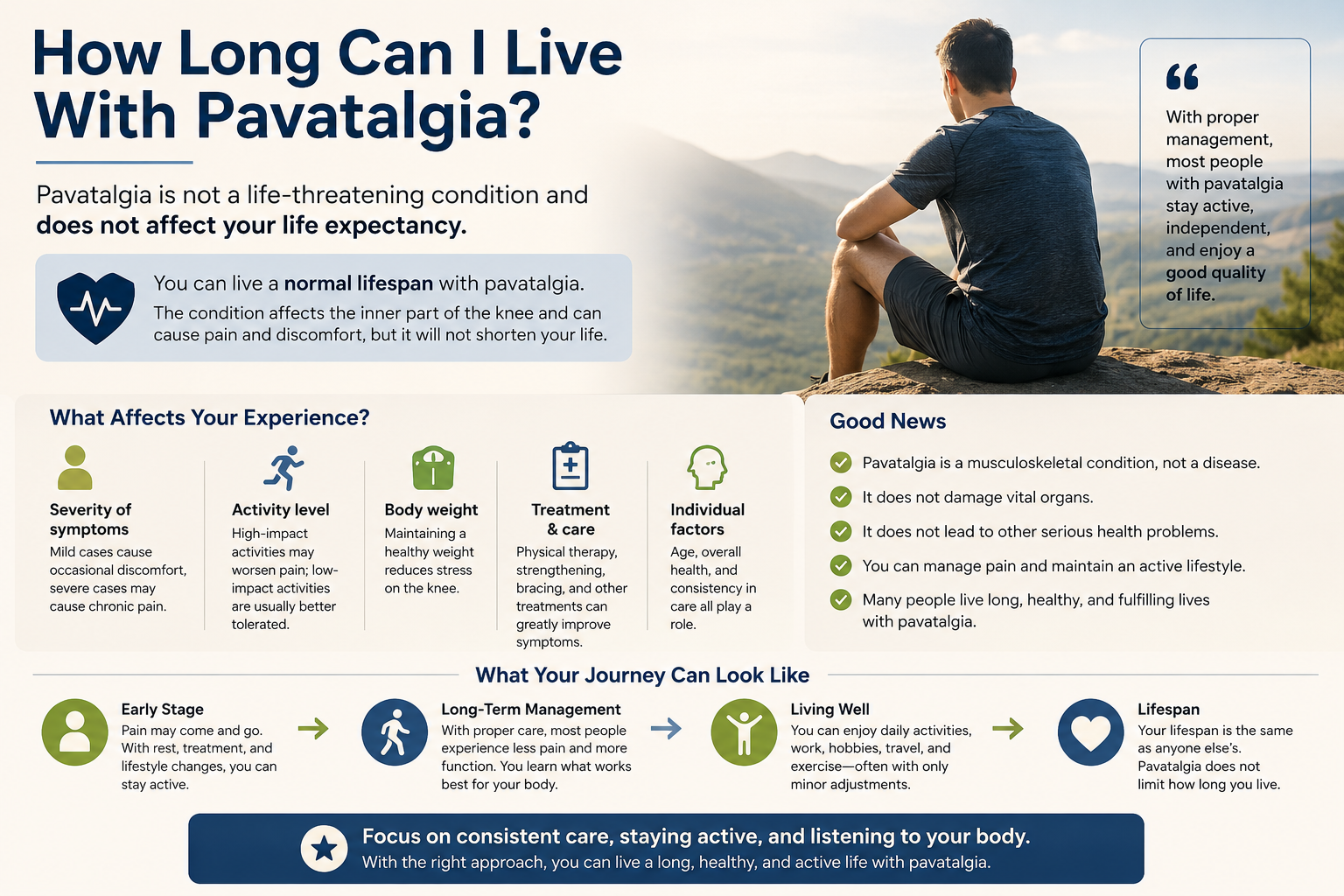
Living with chronic pain or an unfamiliar medical condition can feel overwhelming, especially when questions about life expectancy and quality of life begin to surface. Many people searching “how long can I live with pavatalgia” are not only looking for a direct answer but also trying to understand what the condition means for their future, mobility, independence, and emotional well-being.
The truth is that the answer depends heavily on the underlying cause, severity, treatment response, and overall health of the individual. In many cases, people asking how long can I live with pavatalgia are dealing with chronic discomfort, nerve-related symptoms, inflammatory conditions, or a misunderstood pain disorder that may affect daily functioning more than lifespan itself. While pavatalgia is not commonly recognized as a universally standardized medical diagnosis, it is often discussed in contexts involving persistent pain syndromes, neurological discomfort, or musculoskeletal complications.
This guide explores the long-term outlook, treatment approaches, survival concerns, lifestyle adaptations, and practical strategies associated with the question: how long can I live with pavatalgia. By the end, readers will have a clearer understanding of prognosis, risk factors, and ways to improve both longevity and quality of life.
What Is Pavatalgia and Why Does It Matter?
Pavatalgia is generally discussed as a chronic pain-related condition characterized by recurring discomfort, sensitivity, or functional limitations that may affect movement, nerves, muscles, or connective tissues. Although the term is not universally standardized in mainstream clinical literature, patients searching for information often associate it with long-term pain syndromes that disrupt normal routines and emotional stability.
The reason people ask how long can I live with pavatalgia is usually tied to fear about progression, disability, or complications. Chronic pain conditions can create uncertainty because symptoms may fluctuate over time. Some individuals experience mild discomfort that remains stable for years, while others face worsening symptoms linked to inflammation, nerve involvement, or underlying diseases.
Does Pavatalgia Affect Life Expectancy?
For most individuals, pavatalgia itself is not automatically life-threatening. In many situations, the condition affects quality of life far more than lifespan. However, complications associated with chronic pain, inactivity, stress, sleep disruption, or untreated underlying conditions can indirectly influence overall health and longevity.
People wondering how long can I live with pavatalgia should understand that prognosis varies widely. Someone with manageable symptoms and proper medical care may live a completely normal lifespan, while another person with severe complications, mobility issues, or related neurological conditions may face greater health risks over time.
Common Symptoms Associated With Pavatalgia
Symptoms connected to pavatalgia may vary depending on the affected area and underlying cause. Some people experience localized aching or burning sensations, while others report nerve pain, muscle tightness, fatigue, or sensitivity that interferes with movement and daily activities.
Chronic pain disorders often come with secondary symptoms as well. Anxiety, insomnia, irritability, reduced stamina, and emotional exhaustion frequently accompany persistent discomfort. These secondary effects can significantly shape the experience of living with pavatalgia and contribute to concerns about long-term health outcomes.
Why Chronic Pain Feels More Serious Than It Sometimes Is
Pain has a powerful psychological effect because it constantly reminds the body that something may be wrong. Even when a condition is not fatal, persistent discomfort can make people fear the worst. This explains why searches for how long can I live with pavatalgia are often driven by uncertainty and emotional distress rather than immediate medical danger.
The brain also processes chronic pain differently over time. Long-standing discomfort can alter sleep patterns, increase stress hormones, and reduce motivation for exercise or social activity. These factors can create a cycle where the condition feels progressively worse, even if the underlying disease remains stable.
Factors That Influence Long-Term Prognosis
Several variables determine how pavatalgia may affect a person’s future health and daily functioning. Age, physical condition, treatment access, stress levels, nutrition, mobility, and coexisting medical issues all influence outcomes.
The most important factor is often whether the underlying cause is treatable or manageable. If pavatalgia symptoms stem from reversible inflammation, posture issues, muscular strain, or treatable nerve irritation, prognosis may be highly favorable. When symptoms are linked to degenerative or systemic illnesses, long-term management becomes more complex.
The Role of Early Diagnosis and Medical Evaluation
One major reason chronic conditions worsen unnecessarily is delayed diagnosis. Many patients dismiss symptoms initially or self-manage discomfort without understanding the underlying issue. By the time they seek help, secondary complications like reduced mobility or muscle weakness may already be developing.
People searching how long can I live with pavatalgia should prioritize professional evaluation rather than relying solely on internet discussions. A proper assessment may include neurological exams, imaging tests, pain mapping, blood work, and physical therapy evaluations to identify the root cause behind symptoms.
Can Pavatalgia Become Disabling?
In some individuals, severe chronic pain can interfere with work, exercise, sleep, and independence. Disability does not necessarily mean someone becomes bedridden, but it may involve reduced stamina, difficulty walking, or inability to perform repetitive physical tasks comfortably.
The risk of disability depends on symptom intensity and treatment effectiveness. Many people with chronic pain conditions continue leading productive lives through physical therapy, medication management, ergonomic adjustments, and lifestyle changes. Consistency in treatment often makes a major difference in long-term outcomes.
How Mental Health Influences Physical Symptoms
Chronic pain and mental health are deeply interconnected. Anxiety and depression can intensify pain perception, while ongoing discomfort can increase emotional stress. This two-way relationship explains why comprehensive treatment plans often include psychological support alongside physical therapies.
Patients asking how long can I live with pavatalgia sometimes overlook the importance of emotional resilience. Stress management, therapy, mindfulness, and social support can reduce symptom severity and improve day-to-day functioning, even when physical symptoms remain present.
Common Causes Linked to Pavatalgia Symptoms
Potential causes associated with pavatalgia-like symptoms may include nerve compression, inflammation, repetitive strain injuries, spinal disorders, autoimmune conditions, muscle dysfunction, or chronic pain syndromes. In some cases, symptoms develop gradually over years due to poor posture or long-term physical stress.
Understanding the origin of symptoms is critical because prognosis changes dramatically based on the cause. Temporary inflammatory issues may improve substantially, while progressive neurological diseases require long-term monitoring and adaptive treatment strategies.
Treatment Options That Improve Quality of Life
Treatment plans vary depending on symptom severity and diagnosis. Common approaches include physical therapy, anti-inflammatory medications, nerve pain treatments, stretching routines, posture correction, and lifestyle modifications aimed at reducing strain and inflammation.
Some patients also benefit from complementary therapies such as acupuncture, massage therapy, hydrotherapy, or mindfulness-based stress reduction. While these approaches may not eliminate symptoms entirely, they can significantly improve mobility, comfort, and emotional well-being.
Comparing Different Severity Levels of Pavatalgia
| Severity Level | Typical Symptoms | Daily Impact | Long-Term Outlook |
| Mild | Occasional discomfort, stiffness | Minimal lifestyle disruption | Often manageable with routine care |
| Moderate | Frequent pain, reduced flexibility | Work and exercise limitations | Requires consistent treatment |
| Severe | Chronic pain, mobility issues | Significant activity restrictions | Long-term management essential |
| Complicated | Neurological or systemic involvement | Potential disability risk | Depends on underlying condition |
This comparison helps explain why the question how long can I live with pavatalgia does not have one universal answer. Severity and underlying causes shape both quality of life and long-term prognosis.
The Importance of Movement and Physical Activity
One of the biggest misconceptions about chronic pain is that complete rest is always best. While acute injuries may require temporary rest, prolonged inactivity can weaken muscles, reduce circulation, and worsen pain sensitivity.
Gentle movement often plays a major role in recovery and symptom control. Walking, stretching, swimming, and guided strengthening exercises can help maintain flexibility and reduce stiffness. Structured physical therapy programs are especially valuable for building safe movement habits.
Nutrition and Inflammation Management
Diet may influence inflammation levels and energy balance in chronic pain conditions. Processed foods, excess sugar, and poor hydration can contribute to fatigue and systemic inflammation, potentially worsening discomfort.
Many specialists encourage anti-inflammatory eating patterns that include vegetables, lean protein, omega-3 fatty acids, fruits, whole grains, and adequate hydration. While nutrition alone will not cure pavatalgia, it can support overall health and improve resilience against chronic symptoms.
Sleep Problems and Their Hidden Impact
Sleep disruption is extremely common among people living with chronic pain. Pain can make it difficult to fall asleep, while poor sleep increases pain sensitivity the next day. This creates a frustrating cycle that gradually affects mood, concentration, and physical recovery.
Improving sleep hygiene may significantly improve symptom management. Consistent bedtimes, reduced screen exposure, stress reduction, and proper mattress support can all contribute to better rest and improved coping capacity.
Can Pavatalgia Symptoms Improve Over Time?
Yes, many people experience symptom improvement with appropriate treatment and lifestyle adjustments. Recovery may be gradual rather than immediate, especially in long-standing cases where muscles, nerves, or movement patterns have adapted poorly over time.
Improvement does not always mean complete elimination of symptoms. For some individuals, success means reducing pain frequency, increasing mobility, improving sleep, and regaining independence rather than achieving a total cure.
Misconceptions About Chronic Pain Conditions
A common misconception is that persistent pain automatically means a disease is fatal or rapidly progressive. In reality, many chronic pain disorders are manageable long-term conditions rather than terminal illnesses.
Another misunderstanding is that imaging always reveals the exact problem. Chronic pain can involve nerve sensitivity and functional changes that are difficult to visualize through standard scans. This can frustrate patients seeking definitive answers about how long can I live with pavatalgia.
The Social Impact of Living With Persistent Pain
Chronic pain affects relationships, careers, and emotional health in ways that outsiders may not fully understand. Friends or coworkers may underestimate the severity of invisible symptoms, leaving patients feeling isolated or misunderstood.
Support systems matter greatly. Family encouragement, support groups, counseling, and compassionate healthcare providers can help individuals navigate both physical limitations and emotional challenges more effectively.
When Symptoms Require Immediate Medical Attention
Although many chronic pain conditions are manageable, certain symptoms require urgent evaluation. Sudden paralysis, severe numbness, loss of bladder control, chest pain, unexplained fever, or rapidly worsening neurological symptoms should never be ignored.
People concerned about how long can I live with pavatalgia should distinguish between chronic discomfort and emergency warning signs. Timely medical care can prevent complications and improve long-term outcomes.
Long-Term Management Strategies That Actually Help
Successful long-term management usually involves consistency rather than dramatic interventions. Small daily habits often matter more than short bursts of aggressive treatment. Regular stretching, movement, hydration, sleep care, stress reduction, and medical follow-up collectively shape outcomes over time.
Patients who actively participate in their treatment plans often report better quality of life. Tracking symptoms, understanding triggers, and maintaining realistic expectations can reduce frustration and improve progress.
The Emotional Side of Prognosis Questions
When someone asks how long can I live with pavatalgia, they are often asking a deeper emotional question about safety, control, and future stability. Fear of worsening symptoms can sometimes become as distressing as the condition itself.
Open communication with healthcare professionals helps reduce uncertainty. Understanding the actual risks, expected progression, and available treatment options allows patients to make informed decisions without unnecessary panic.
Expert Perspectives on Chronic Pain and Longevity
Pain specialists frequently emphasize that chronic pain is best managed through a holistic approach rather than a single treatment solution. Physical health, emotional resilience, lifestyle habits, and medical care all interact in meaningful ways.
As one pain management expert noted, “The goal is not always zero pain, but restoring function, independence, and quality of life.” This perspective is important for anyone researching how long can I live with pavatalgia because it shifts focus toward sustainable living rather than fear alone.
Practical Lifestyle Changes That Support Better Outcomes
Simple adjustments can make daily life more manageable. Ergonomic seating, supportive footwear, stress management routines, hydration, regular movement breaks, and pacing physical activity can reduce symptom flare-ups.
Many patients also benefit from learning activity pacing. Instead of overexerting themselves on good days and crashing afterward, they maintain balanced routines that protect energy levels and reduce physical stress.
Why Personalized Treatment Plans Matter
No two people experience chronic pain in exactly the same way. One individual may respond well to physical therapy, while another requires medication adjustments or neurological evaluation. Personalized care leads to more effective long-term management.
This is why generalized internet advice should never replace professional assessment. The question how long can I live with pavatalgia depends heavily on personal medical history, symptom patterns, and overall health status.
Advances in Chronic Pain Research
Medical understanding of chronic pain has evolved significantly over the past decade. Researchers now recognize the complex interaction between nerves, inflammation, stress hormones, and brain processing pathways.
New therapies continue emerging, including targeted nerve treatments, regenerative medicine approaches, advanced physical rehabilitation techniques, and digital pain management programs. These developments offer hope for better long-term outcomes in chronic pain care.
Building a Sustainable Future With Pavatalgia
Living with a chronic condition requires adaptation, but adaptation does not mean giving up on a fulfilling life. Many people successfully manage long-term symptoms while maintaining careers, relationships, hobbies, and independence.
The key is balancing symptom management with realistic expectations. Sustainable progress often comes through gradual improvement, consistency, and a willingness to adjust routines rather than searching for instant solutions.
Conclusion
The answer to how long can I live with pavatalgia depends largely on the underlying cause, severity of symptoms, treatment response, and overall health of the individual. In most cases, chronic pain conditions affect quality of life more directly than lifespan itself. With appropriate medical care, healthy lifestyle habits, and consistent symptom management, many individuals live long and productive lives despite ongoing discomfort.
Understanding the condition, seeking timely evaluation, and building sustainable routines are essential steps toward better outcomes. Instead of focusing solely on fear or uncertainty, patients benefit most from informed care, emotional support, and practical strategies that improve both physical and mental well-being over time.
FAQ
Is pavatalgia considered a fatal condition?
In most situations, pavatalgia itself is not considered fatal. People asking how long can I live with pavatalgia are often dealing with chronic pain management rather than a life-threatening illness.
Can chronic pain reduce life expectancy?
Chronic pain may indirectly affect health through stress, inactivity, or poor sleep, but proper treatment and healthy habits can help many individuals maintain a normal lifespan.
What doctor should I see for pavatalgia symptoms?
Primary care physicians, neurologists, pain specialists, orthopedic experts, and physical therapists may all help evaluate symptoms associated with pavatalgia.
Can lifestyle changes improve pavatalgia symptoms?
Yes, regular movement, stress management, better sleep, hydration, posture correction, and anti-inflammatory nutrition can improve symptom control significantly.
Will pavatalgia symptoms get worse over time?
Symptoms may remain stable, improve, or worsen depending on the underlying cause and treatment consistency. Early medical evaluation often improves long-term outcomes.
How long can I live with pavatalgia if symptoms are severe?
Even severe chronic pain conditions do not automatically shorten lifespan. The focus should be on comprehensive treatment, mobility support, and preventing complications.
Is there a permanent cure for pavatalgia?
Some underlying causes may be treatable or reversible, while others require ongoing management. Long-term improvement is possible even when complete symptom elimination is not.
You May Also Read: Anonib AZN